

As rice is stored for a few months after harvest, its starch and proteins slowly change. Aged rice absorbs more water, swells and lengthens more, loses less starch into the cooking water and cooks into firmer, less sticky grains. Freshly harvested rice tends to cook pasty and lumpy, which is why traders and cooks prefer aged rice.
New rice vs old rice
Rice is a living grain even after harvest. Freshly harvested rice, often called new rice, tends to cook into a soft, lumpy, pasty mass, and the water it is boiled in turns thick and starchy. Rice that has been stored for some months, old or aged rice, cooks into fluffy, separate grains that swell nicely in the pot.
That is why many Indian households and traders ask for “purana chawal” and are often willing to pay more for it.
What changes inside the grain
During storage, slow natural changes take place in the grain’s starch, proteins and fats. In simple terms:
- The starch becomes more stable, so less of it leaks out into the cooking water.
- The grain can absorb more water and swell more without falling apart.
- Cooked grains become firmer and less sticky.
What the research found
An early study in the Madras Agricultural Journal (“New and Old Rice”, E. J. Verghese) found that freshly harvested rice does not cook well, while stored rice cooks to a good fluffy consistency. Stored grain swelled more on boiling, and its cooking water was less thick, because less starch passed out of the grain.
A later study at Punjab Agricultural University (Kaur and Chand, Journal of Agricultural Engineering, 2011) aged Basmati paddy for five months in different bags. With ageing:
- Water absorption, elongation and the cooking coefficient went up.
- Cooking time and solid loss into the gruel went down.
- Aroma scores went up, and cooked rice became firmer and springier.
The studies above looked at specific varieties, but the pattern of firmer, fluffier, better-swelling rice after storage is well known across rice types, which is why aged rice is valued in Indian markets.
What it means in your kitchen
- Aged rice needs a little more water than new rice, because it absorbs more.
- It holds its shape in pulao, jeera rice and biryani.
- It is more forgiving: less likely to turn mushy if you cook it a minute too long.
- For payesh or khichuri, where you want creaminess, simply cook it longer and stir.
How to tell if rice is aged
- Ask the seller when the paddy was harvested and how long it was stored.
- Look at the colour: aged rice often has a slightly creamier tone than very new rice.
- Cook a small test batch: aged rice gives separate grains and clearer cooking water.
How we age our rice
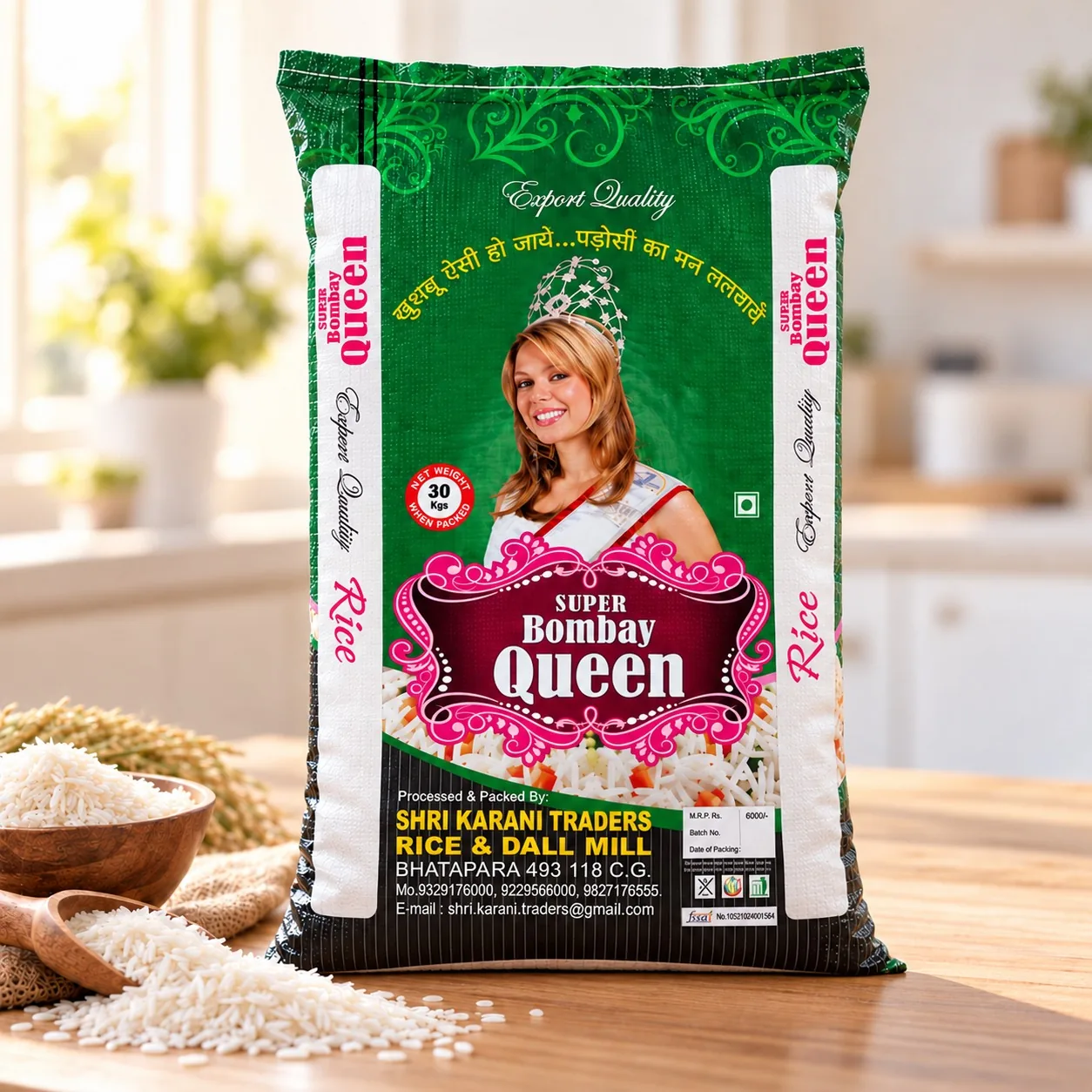
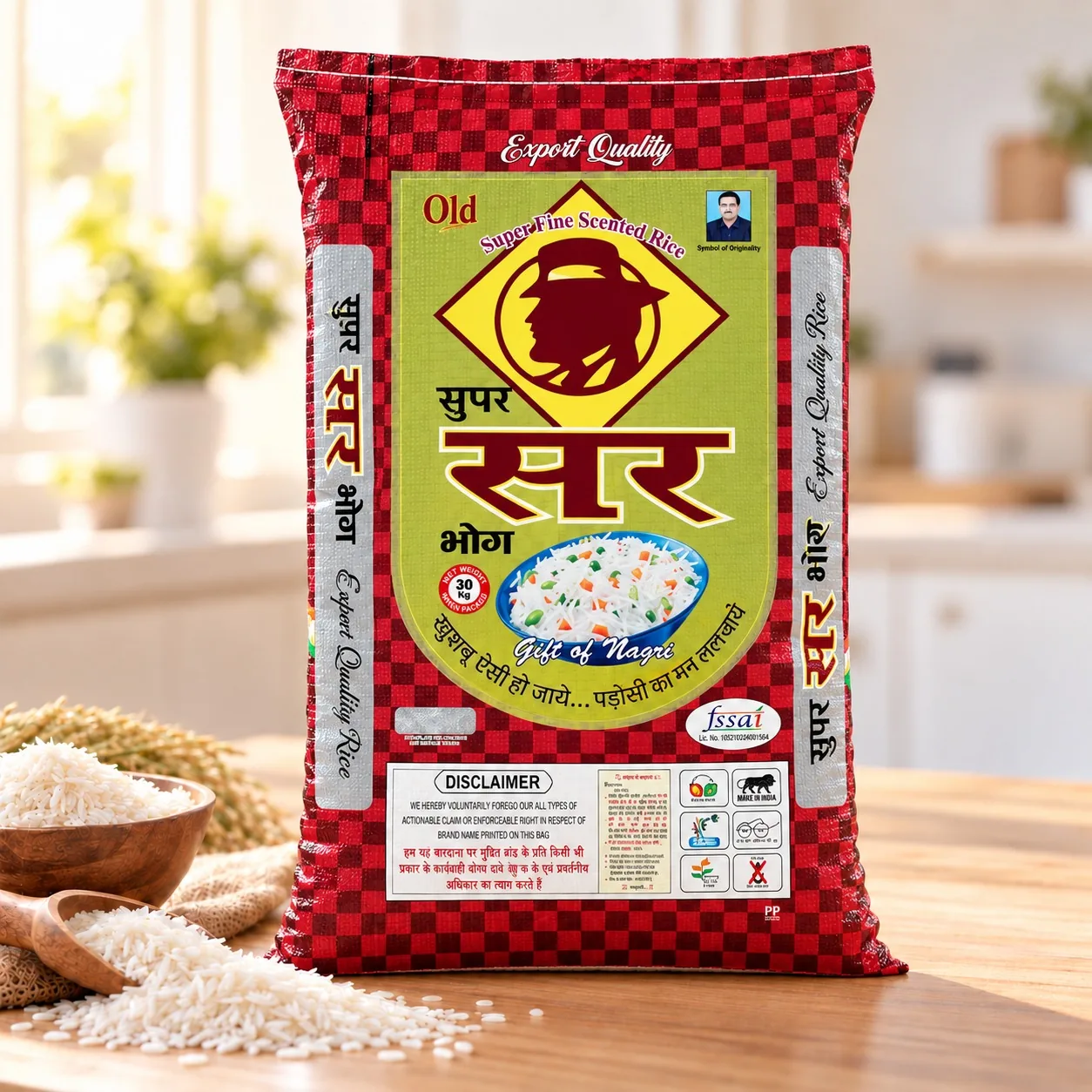
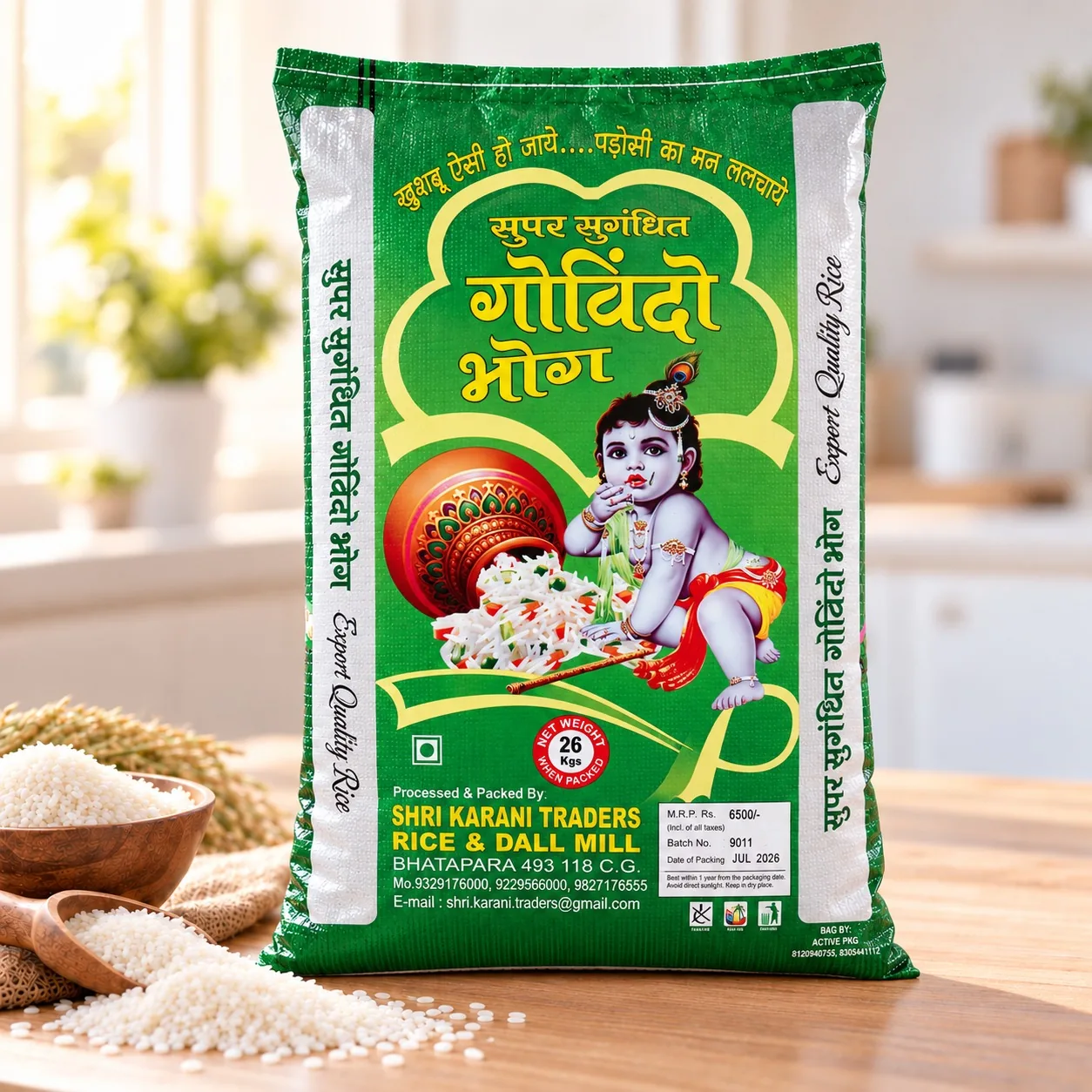
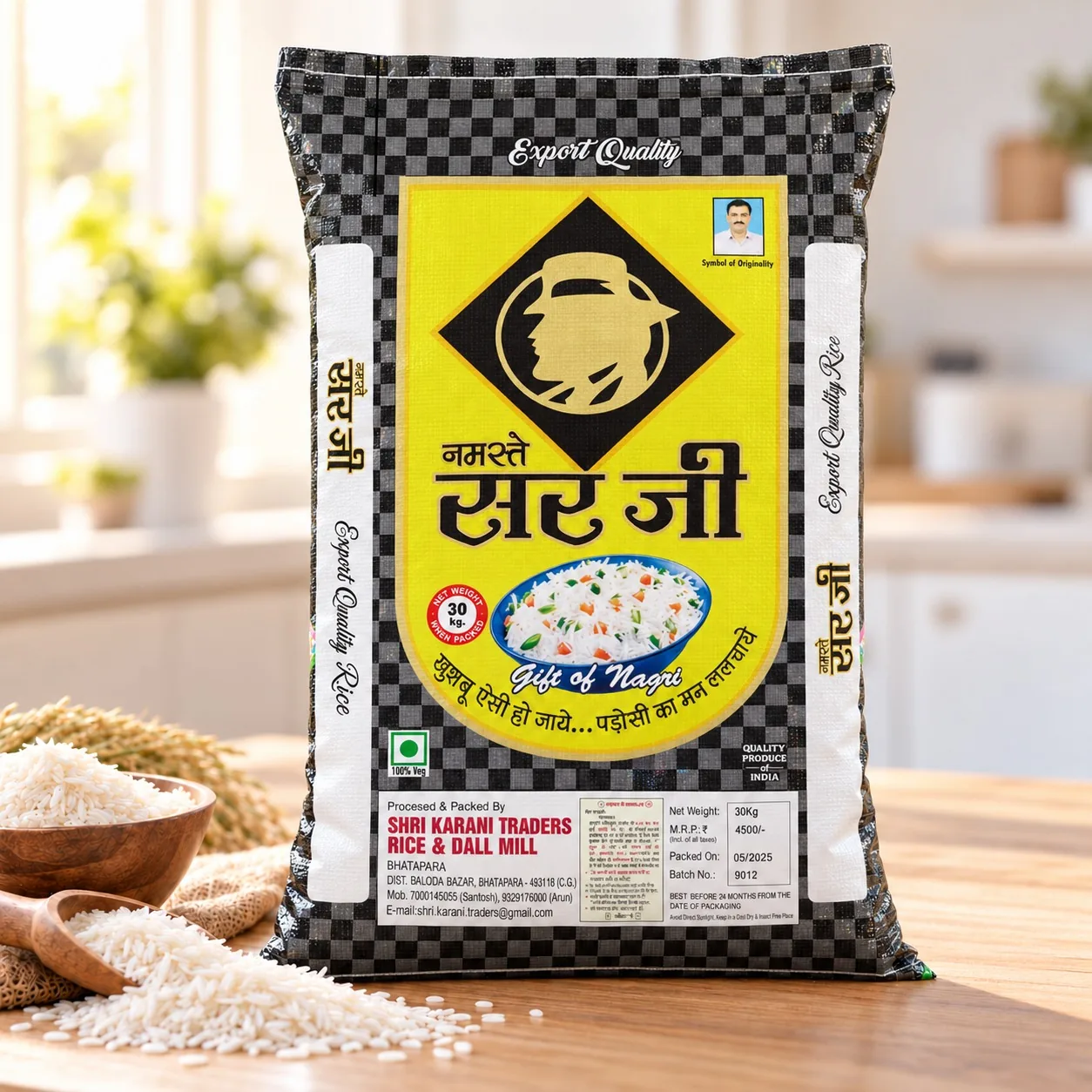
At Shri Karani Traders (Rice Mill) in Bhatapara, paddy is stored and naturally aged in our storage block before milling. After milling, every batch is Sortex-cleaned and checked before it is packed. You can see each step on our process page, and the result in our four brands of Gobindobhog rice on the products page.
Sources
- E. J. Verghese, “New and Old Rice”, The Madras Agricultural Journal
- J. Kaur and T. Chand, “Effect of Natural Ageing of Basmati Paddy on Physico-chemical and Textural Properties of Cooked Rice”, Journal of Agricultural Engineering, 2011 (ICAR ePubs)
Published 28 October 2026. Last reviewed 28 October 2026.